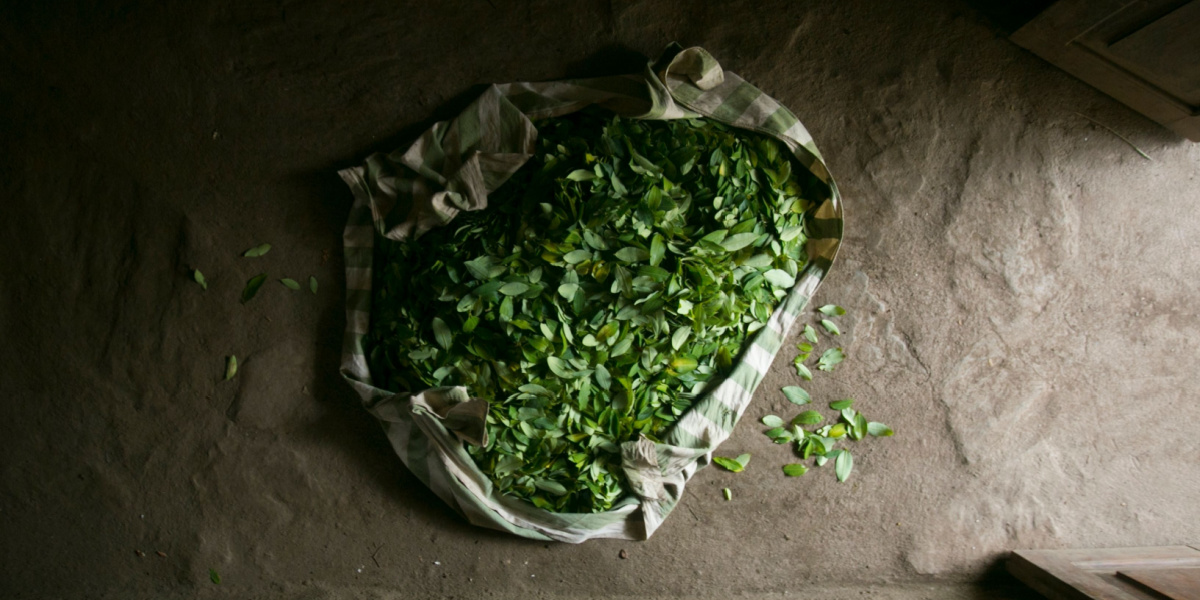
With more Colombian land planted with coca than ever before, the countryΓÇÖs potential cocaine production soared by 24% last year, a report from the United Nations Office on Drugs and Crime (UNODC) revealed.
Potential cocaine production in Colombia is at a twenty-year high
In 2022, 230,000 hectares or nearly 570,000 acres of land in Colombia were planted with coca bushes, the precursor to cocaine.[1] Overall cultivation of the plant was up 13%, with the biggest increase seen in the southern province of Putumayo. The province, from which cocaine is easily smuggled across the border to Peru and Ecuador, saw a 77% rise in coca cultivation in just a year.[2]
With more raw coca being produced, ColombiaΓÇÖs potential production of cocaine has climbed by a quarter (24%) to 1,738 tons, the highest level seen in two decades, the report found.[3]
ΓÇ£It is worrying that each year there is an increase in coca crops in the country,ΓÇ¥ UNODC regional director Candice Welsch said.
Rise in coca farming follows decline after peace deal
ColombiaΓÇÖs cocaine production dipped between 2017 and 2020, after the government reached a peace deal with the Revolutionary Armed Forces of Colombia, or FARC. The guerrilla group that once controlled 60% of the countryΓÇÖs coca fields. But planting has been on the rise since 2021, as smaller armed groups have seized control fields abandoned by the demobilized FARC. [1][4]
Colombia is the worldΓÇÖs largest exporter of the stimulant and the source of 90% of the cocaine sold in the United States.[1]
Government has emphasised voluntary crop substitution over forced eradication of coca
Responding to the UN report, ColombiaΓÇÖs government said the pace of growth of coca cultivation had slowed. ΓÇ£We are flattening the curve,ΓÇ¥ said Justice Minister Nestor Osuna, noting that coca farming increased by 40% between 2020 and 2021. [1]
ColombiaΓÇÖs leftwing government has pursued a new strategy against cocaine, rejecting the militarized, U.S.-backed approach that President Gustavo Petro has called ΓÇ£irrational" and ΓÇ£a resounding failure.ΓÇ¥ [5]
Petro reiterated his approach at a summit on drug trafficking in Cali, Colombia last week. ΓÇ£It is time to rebuild hope and not repeat the bloody and ferocious wars, the ill-named ΓÇÿwar on drugsΓÇÖ, viewing drugs as a military problem and not as a health problem for society,ΓÇ¥ he said. [3]
Rather than targeting subsistence farmers, Petro has pledged to pursue high-level drug traffickers. HeΓÇÖs scaled back the forced destruction of coca plants, slashing the governmentΓÇÖs eradication targets for 2023 by 60% and focusing efforts on ΓÇ£industrial fields,ΓÇ¥ vast farms where homes and other crops arenΓÇÖt present. [6]
Small-scale farmers are incentivized to voluntarily destroy their coca fields and in exchange offered compensation, subsidies, and technical assistance to begin cultivating other crops, such as black pepper. [7]
Falling cocaine prices could push farmers toward other crops
While coca cultivation increased in ColombiaΓÇÖs border regions, it fell in the interior as coca leaf prices have cratered. With a glut of cocaine on the market, coca leaf, often a cash crop for farmers, is fetching just 30% of its previous price.
That price drop gives crop substitution programs a ΓÇ£golden window of opportunityΓÇ¥ to help farmers move away from illicit crops, Elizabeth Dickinson, senior analyst for Colombia at the International Crisis Group, told the Financial Times.[3]
Osuna said that Colombia will also tackle cocaine production by improving infrastructure, education, and health in regions where coca is grown. [1]
ΓÇ£The success of our drug policy should be measured in terms of the reduction of violent crime, and the reduction of poverty in those regions where coca is cultivated,ΓÇ¥ he said.
The United Nations agrees. “We have to work on strengthening legal economies… and not just attacking illicit economies,” Leonardo Correa, regional coordinator for the UN's coca monitoring system, said. [1]