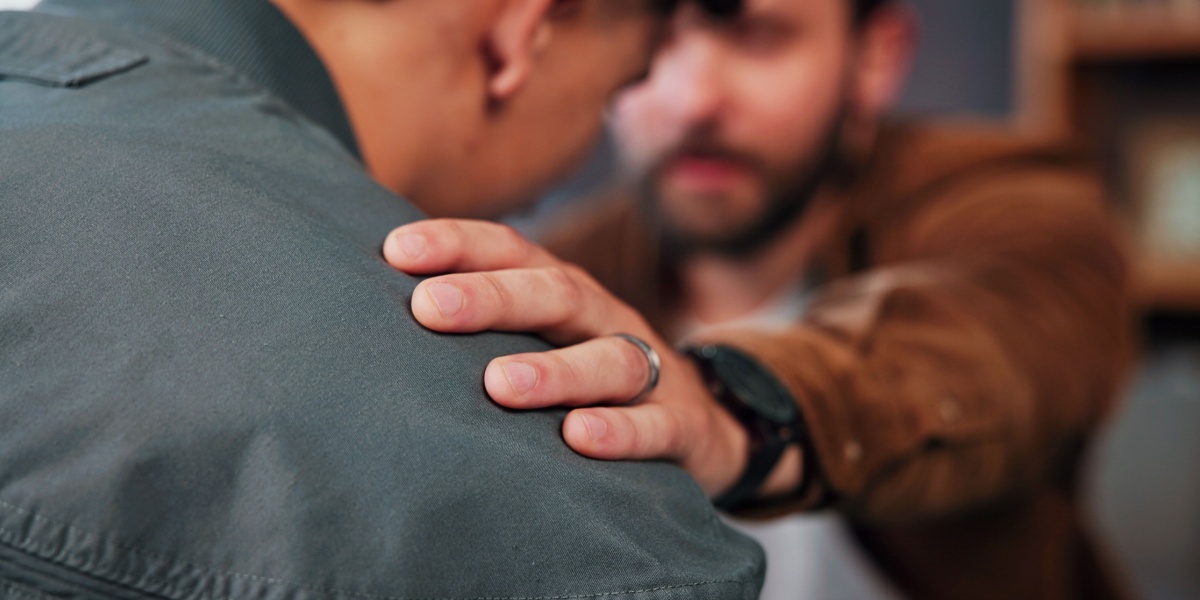
MenΓÇÖs Mental Health Month in June is an initiative that aims to improve awareness and support for men and their mental health needs. People can get involved in events that occur during June to help support menΓÇÖs mental health.
What is MenΓÇÖs Mental Health Month?
June is MenΓÇÖs Health Month and MenΓÇÖs Mental Health Month, which is observed internationally. The theme of MenΓÇÖs Health Month for 2026 is Partners in Care: Advancing MenΓÇÖs Health Through Connection, Education, & Advocacy, with a focus on building empathy and connection. [1]
In June 1994, the United States Congress began National MenΓÇÖs Health Week, which was later expanded into a month-long observance and became internationally recognized. It was created to bring awareness to the unique health issues faced by men, including shorter life expectancy, higher rates of addiction, and significantly higher suicide rates. [1][2][3]
In the last decade, MenΓÇÖs Health Month has become more focused on menΓÇÖs mental health, intending to prioritize support to combat high suicide rates and harmful masculinity and societal expectations.
When is it observed?
The month of June is MenΓÇÖs Health Month, which includes International MenΓÇÖs Health Week from 15-21 June, coinciding with FatherΓÇÖs Day on 21st June. The intention during the month is to increase the awareness of menΓÇÖs health issues through advocacy, conversation, and connection. [1]
MenΓÇÖs health is also recognized in November, with many countries, including the United Kingdom and Australia, observing MenΓÇÖs Mental Health Awareness Month throughout November, along with International MenΓÇÖs Day occurring on 19th November.
ΓÇ£MovemberΓÇ¥, a movement that sees men growing moustaches for the month, occurs in November. It was created in Australia to promote awareness of prostate cancer but has since become international, with an added focus on mental health awareness.
Statistics on menΓÇÖs mental health
As menΓÇÖs mental health has become more widely discussed in recent years, there has been a growing importance to spread awareness of and give support to menΓÇÖs mental health, highlighting statistics such as: [4][5]
- Deaths among men by suicide were over 59% higher in 2022 than in 2001.
- Male suicide rates are almost four times higher than those of women.
- Around 10% of all men experience depression or anxiety, but under 50% of this group receive treatment.
- Men are less likely than women to seek and receive mental health treatment.
- Men account for around 80% of all suicide deaths in the US.
- Suicide is a leading cause of death among men aged 15-34, and the highest suicide rates among men occur in those aged 75 and over.
Common mental health challenges affecting men
Men experience the same mental health conditions as women, including anxiety disorders, depressive disorders, post-traumatic stress disorder (PTSD), bipolar disorder, and eating disorders. However, it is more common for menΓÇÖs conditions to go undiagnosed or untreated. Reportedly, 41.6% of men with any mental illness, compared to 56.9% of women, receive treatment. [3][5]
Schizophrenia is diagnosed in 3.5 million people in the US. It is often diagnosed before the age of 30, and 90% of those in this group are men. [5]
Barriers and stigma: Why men donΓÇÖt seek help
There are likely various factors that create barriers to men receiving treatment, including: [3][4][5]
- Underdiagnosis or misdiagnosis.
- Assessment tools that do not account for the differences in presentation between menΓÇÖs and womenΓÇÖs mental health issues.
- Stigma experienced by men due to societal norms and expectations for men to be ΓÇ£masculineΓÇ¥, self-reliant, and cope in silence.
- Judgment or fear of judgment from peers when men seek social support for mental health symptoms.
Recognizing mental health issues in men
Mental health issues can appear similar in men and women. Typically, mental illness in men impacts academic and professional functioning, interpersonal relationships, enjoyment in hobbies, and self-care, as it does with women. [6]
However, it is common for mental health symptoms to differ between genders. For example, men are more likely to experience externalized symptoms, such as aggression and violence, or use exercise, substance use, or other distraction methods as coping mechanisms. [3][6]
The critical connection: MenΓÇÖs mental health and addiction
Men can be more likely to use substances to cope with mental health symptoms. This can be an attempt to numb or avoid emotions, seek feelings of pleasure that otherwise are not present, or as a form of acting out or externalizing their symptoms. [1][3]
Research suggests that trauma may influence substance use disorder (SUD) risk differently in men and women. Women with a history of childhood trauma appear more likely to experience a current SUD, while men with a history of lifetime trauma appear more likely to experience a current SUD. These findings highlight the potential role of biological, social, and behavioral factors in the relationship between trauma, mental health, and substance use. [7]
Supporting menΓÇÖs mental health month
There are many ways to support menΓÇÖs mental health, including:
- Taking part in MenΓÇÖs Health Month activities, such as sharing posters and educational resources to help increase awareness.
- Sharing information about hotlines and support services to show people where they can access support.
- Starting conversations with the men in your life to check in on how they are doing and provide them with an opportunity to share.
- Getting involved in mental health initiatives, including awareness campaigns, fundraisers, and creating safe spaces for men to talk.
MenΓÇÖs mental health resources and crisis support
Men can visit their primary care provider for advice and referral to specialist services. NAMI provides a helpline that men can call on 1-800-950-6264 or by texting ΓÇ£HelpLineΓÇ¥ to 62640.
In an emergency, call or text 988 for the Suicide and Crisis Lifeline, or chat online.
Treatment options for menΓÇÖs mental health
Men can access various treatment options to support their mental well-being, such as: [8]
- Support groups: MenΓÇÖs support groups are available across the US, which provide peer support in a safe environment, among others with similar experiences. For example, the National Alliance on Mental Illness (NAMI) provides men-specific Connection Recovery Support Groups in many locations, which can be found here. Similarly, groups such as The ManKind Project and Visible Man offer peer support.
- Medications: Sometimes, medications can be used to improve mental health symptoms. A primary care provider or psychiatrist can assess and prescribe medications where needed.
- Therapies: Therapy is often a key aspect of mental health treatment and can help improve understanding and management of mental health symptoms and any associated stigma experienced. Family or couples therapies can also be beneficial to promote positive relationships and communication skills within the home.
- Specialist dual diagnosis treatment: Men who experience co-occurring mental health conditions and SUDs can benefit from dual diagnosis treatment, which aims to address both conditions concurrently, often with the use of comprehensive treatment plans involving therapeutic and medicinal interventions.