Texas Invests $50M in Ibogaine Research to Treat Addiction
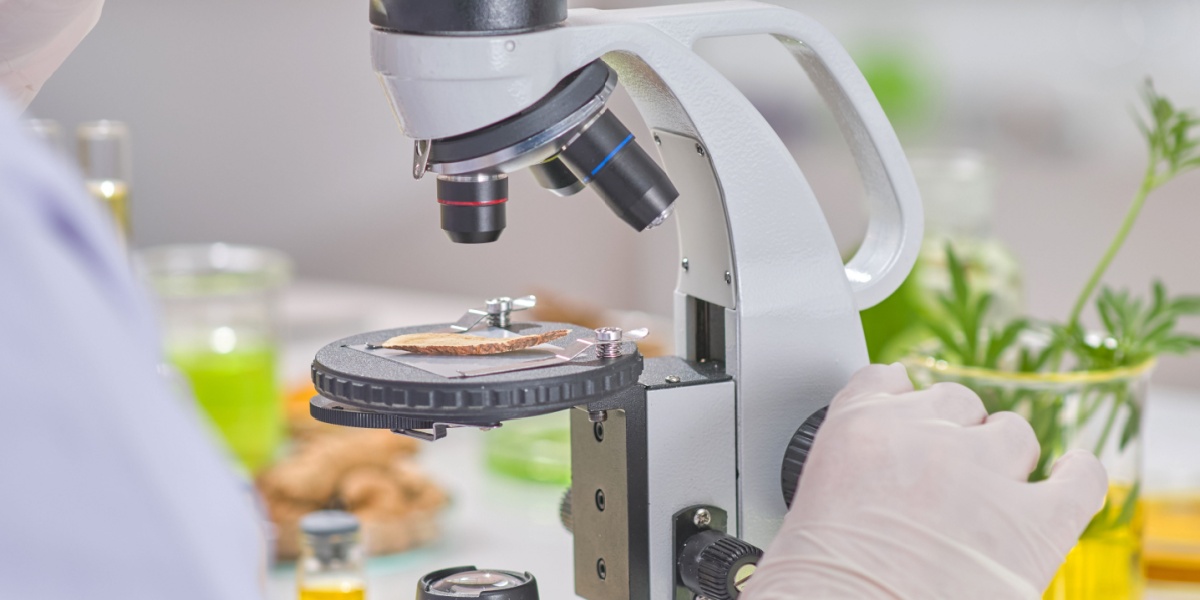
A new Texas law allocates $50M to ibogaine research to explore its potential to treat substance use disorders, PTSD, and brain injury.
Discover comprehensive guides, research updates, and industry insights
A new Texas law allocates $50M to ibogaine research to explore its potential to treat substance use disorders, PTSD, and brain injury.

Discover which U.S. states face the highest rates of drug use and overdose, and the key factors driving the ongoing addiction crisis.

PSMU refers to excessive engagement with social media platforms that disrupts daily functioning. While not officially classified as an addiction, PSMU shares characteristics with recognized behavioral

Propofol abuse is rising among healthcare workers. Learn about its addictive effects, medical risks, and why awareness is critical to prevent overdose deaths.
.jpg)
Explore the Ozempic microdosing trend, its unapproved use for weight loss, and expert warnings on safety and effectiveness.

Nicotine pouches are increasingly used by teens, raising public health alarms over addiction, dual use, and social media influence.

New evidence links cannabis abuse with low testosterone and ED, especially in men over 40. Risks emerge early, but some effects may be reversible.

Crossfaded highsΓÇöbeing drunk and highΓÇöcan mask alcohol poisoning, impair driving, and increase long-term addiction risks. Learn the science behind it.

Teens facing cyberbullying are more likely to misuse substances. This article explores the data behind the link and strategies for prevention.

Using ΓÇ£unaliveΓÇ¥ online may feel safer, but it can block access to crisis resources. Learn why evidence supports clear, direct language in suicide prevention.
.jpg)
TrumpΓÇÖs plan to link U.S. drug prices to international rates could reduce costs but may affect pharmaceutical innovation and treatment availability.
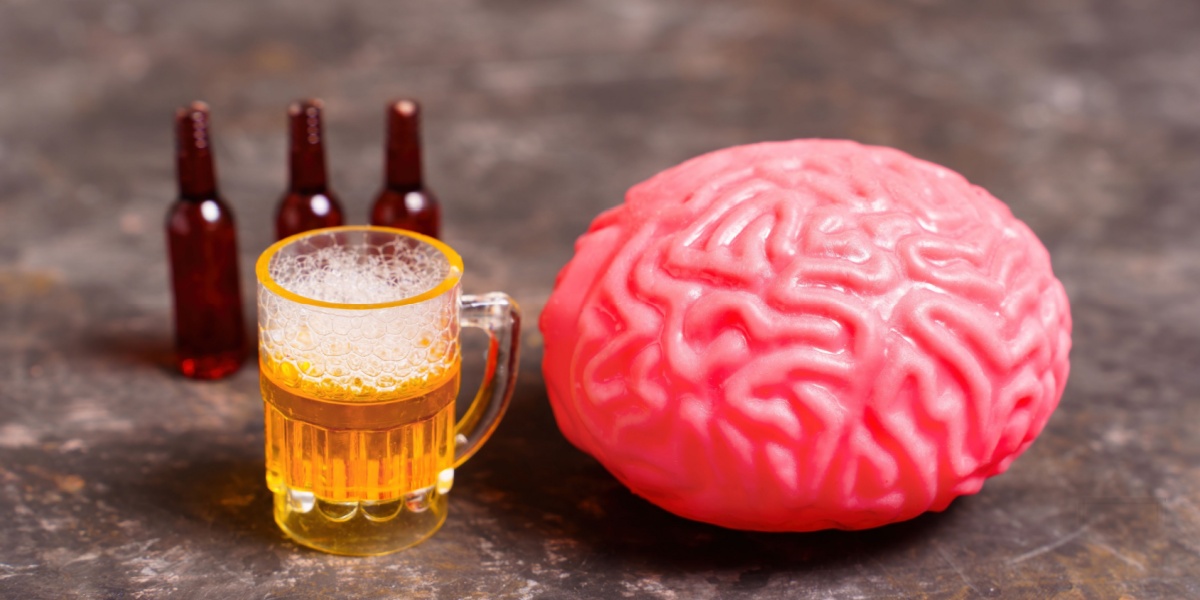
A new study finds eight or more drinks a week can shrink brain mass, reduce cognition, increase the risk of vascular and AlzheimerΓÇÖs-related brain changes.